
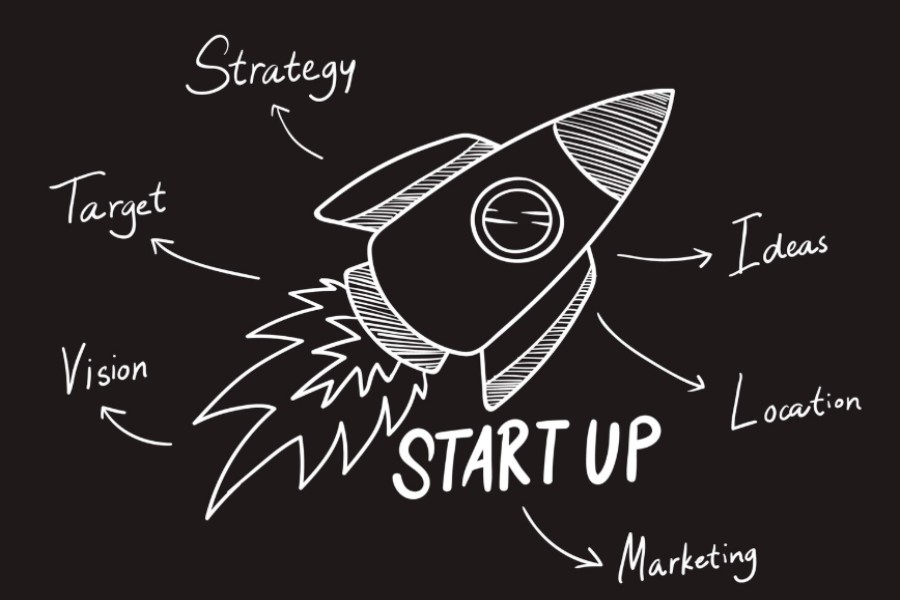
The startup landscape has changed dramatically. Traditional thinking once suggested that success meant chasing venture capital. Today, many founders realize the benefits of prioritizing revenue generation and raising capital selectively. A startup booted fundraising strategy allows entrepreneurs to retain ownership, prove market traction, and grow sustainably without giving away too much equity too soon.
By leveraging internal resources, early revenue, and strategic funding, founders can reduce risk while expanding effectively. This approach values measurable results over hype—investors are more likely to commit to startups with proven traction, not just ambitious ideas. It also gives founders freedom to make strategic decisions, focus on customer value, and reinvest profits efficiently.
Startups with manageable development costs, early-paying customers, and quickly verifiable product-market fit find this approach particularly effective. Bootstrapped fundraising balances financial independence with growth acceleration, helping founders avoid equity dilution, external pressure, and unsustainable spending.
This guide covers how to structure a bootstrapped fundraising strategy, determine the right timing to bring in investors, leverage early revenue for growth, and maintain financial discipline to scale efficiently. The framework ensures startups grow with control, sustainability, and measurable outcomes.
What Is a Founder-Led Bootstrapped Fundraising Strategy?
A startup’s fundraising strategy combines elements of bootstrapping and selective external funding. Unlike pure bootstrapping, which relies solely on personal funds and early sales, a bootstrapped strategy can integrate grants, revenue-based financing, or small strategic investments. This allows founders to expand operations without surrendering significant control.
The core principle is simple: grow primarily through revenue, validate demand early, and supplement with capital only when it accelerates proven traction. Founders maintain decision-making authority while minimizing financial risks.
In contrast, traditional VC-backed approaches often prioritize rapid scaling and investor returns at the cost of equity and operational control. A startup’s fundraising strategy emphasizes sustainability, lean operations, and real customer validation before seeking external capital.
This method works especially well in industries with low capital requirements, such as SaaS, digital services, or consulting. Startups with high infrastructure costs or long R&D timelines may need additional resources.
Disciplined founders focus on early revenue streams, careful reinvestment, and conservative budgeting. This model promotes efficient growth, strategic investment, and flexibility to pivot or scale as markets evolve.
Bootstrapped vs. Venture-Backed Models
When considering fundraising, founders should weigh the differences between bootstrapped and VC-backed models:
- Control & Ownership: Bootstrapped startups retain full ownership. VC-backed startups often require investor input on decisions.
- Capital Availability: VC funding offers rapid access to large sums, while bootstrapped fundraising relies on revenue and selective funding.
- Growth Speed: Bootstrapped growth is steady and validated. VC-backed growth is often rapid to meet investor expectations.
- Equity Dilution: VC funding dilutes ownership, while bootstrapped strategies preserve long-term equity.
- Strategic Advantages: Booted fundraising strengthens negotiation leverage and aligns investors with strategic value rather than just capital.
When and Why to Adopt a Booted Fundraising Strategy
This approach is ideal when early revenue exists, product-market fit is approaching, and founders want to maintain control. Key benefits include:
- Predictable Revenue: Use internal cash flow to drive growth.
- Ownership & Control: Avoid early investor pressure and equity dilution.
- Low Capital Requirements: Works well for SaaS, digital products, and service businesses.
- Market Validation: Demonstrates traction before fundraising externally.
- Risk Mitigation: Reduces financial stress in early stages.
- Flexible Scaling: Grow based on evidence, not assumptions.
Steps to Execute a Booted Fundraising Strategy
- Validate Market Demand: Conduct customer interviews, pre-sales, and landing page tests.
- Build a Revenue-Generating MVP: Focus on solving a single key problem to attract early-paying customers.
- Reinvest Revenue: Use profits for product improvements, marketing, and customer success.
- Leverage Non-Dilutive Funding: Grants, revenue-based financing, or strategic partnerships can supplement cash flow.
- Engage Strategic Investors: Seek investors who provide networks, expertise, or distribution, not just capital.
- Track Key Metrics: Monitor MRR, CAC, churn, and runway to inform growth decisions.
- Iterate & Scale: Use feedback to refine products and scale operations sustainably.
Core Principles
- Financial Discipline: Manage expenses carefully and maintain at least six months of runway.
- Customer-First Approach: Early paying customers validate demand and guide growth decisions.
- Revenue Layering: Start with immediate cash flow, add semi-scalable products, and scale to subscription models.
- Leverage Systems: Automate processes to maximize efficiency and results.
- Market Focus: Target industries with urgency and willingness to pay, avoiding high-cost or long-cycle markets.
- Speed Over Perfection: Launch quickly, learn, and iterate based on real user feedback.
Strategic Growth & Flexibility
Retain decision-making authority, enter markets strategically, and maintain flexibility for future exits or additional funding. Bootstrapped fundraising allows founders to scale on their own terms while remaining attractive to strategic investors.
Final Remarks
A startup booted fundraising strategy empowers founders to maintain ownership, control, and strategic freedom. By focusing on revenue, reinvesting profits, and using external capital selectively, startups can scale efficiently, attract valuable partners, and avoid early dilution. This approach is ideal for founders seeking sustainable growth, strong fundamentals, and independence from investor pressure.
FAQ
What is a startup’s bootstrapped fundraising strategy?
It’s a funding approach prioritizing revenue, early traction, and selective external capital while maintaining founder control.
How does it differ from traditional VC funding?
VC funding emphasizes rapid scaling and equity exchange; bootstrapped fundraising prioritizes revenue-first growth with minimal dilution.
When should a founder adopt this strategy?
When early revenue exists, the product shows potential market fit, and the founder wants full control.
Can bootstrapped startups take VC investment later?
Yes, once traction is validated, founders can strategically raise funds without compromising control.
Which industries are best suited?
SaaS, digital products, low-capital service businesses, and industries where early revenue validates the model.
Common mistakes?
Scaling too quickly without revenue, neglecting pricing strategy, relying on one growth channel, and not reinvesting profits wisely.